Get Drainage Pump Installation
Drainage pump installation services help property owners prevent flooding and water damage by installing pumps for basements, yards, or drainage systems with the help of local contractors.
Property owners in the area considering drainage pump installation often seek reliable solutions to manage excess water and prevent flooding. Proper drainage is essential for protecting foundations, maintaining landscape integrity, and ensuring safe, usable outdoor spaces. Exploring local contractors who specialize in drainage systems can help identify practical approaches tailored to the specific needs of a property, whether for new construction, renovations, or upgrades to existing infrastructure.
By comparing options from experienced service providers in the community, property owners can find the right expertise to plan and execute drainage pump projects effectively. Understanding the available choices and consulting with local contractors can support informed decisions that enhance property resilience and long-term functionality. Keep reading to learn more about how drainage pump installation services can benefit your property.
- Residential Drainage Pump Installation - needed when homeowners experience basement flooding or poor water drainage around their property.
- Commercial Drainage Pump Setup - required for businesses managing large-scale water removal in warehouses or retail spaces.
- Flood Prevention System Installation - necessary in areas prone to heavy rainfall or rising water levels to protect structures.
- Sewage and Wastewater Pumping - essential for properties requiring efficient removal of sewage or wastewater from lower levels.
- Stormwater Management Pump Systems - used when managing runoff to prevent pooling and water damage during storms.
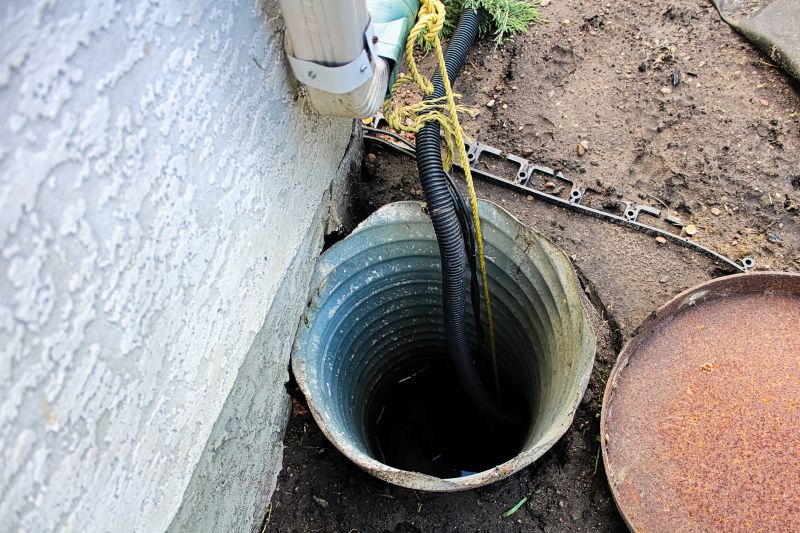
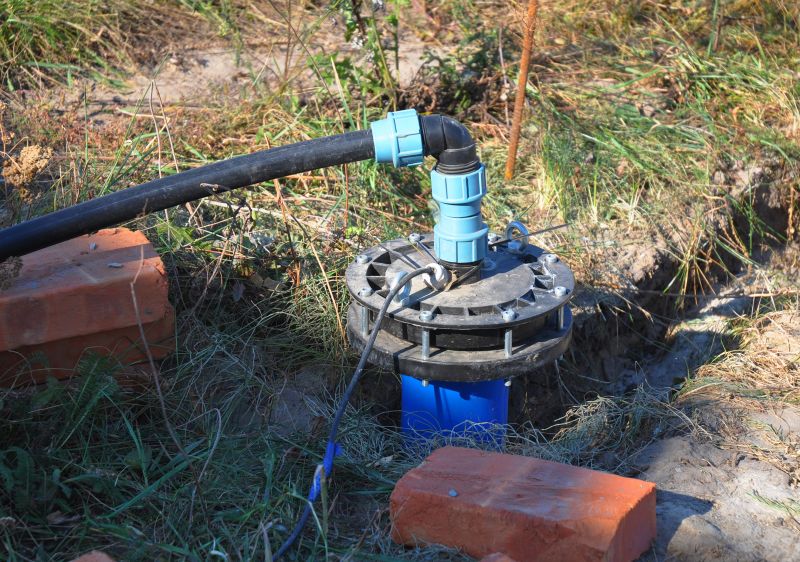
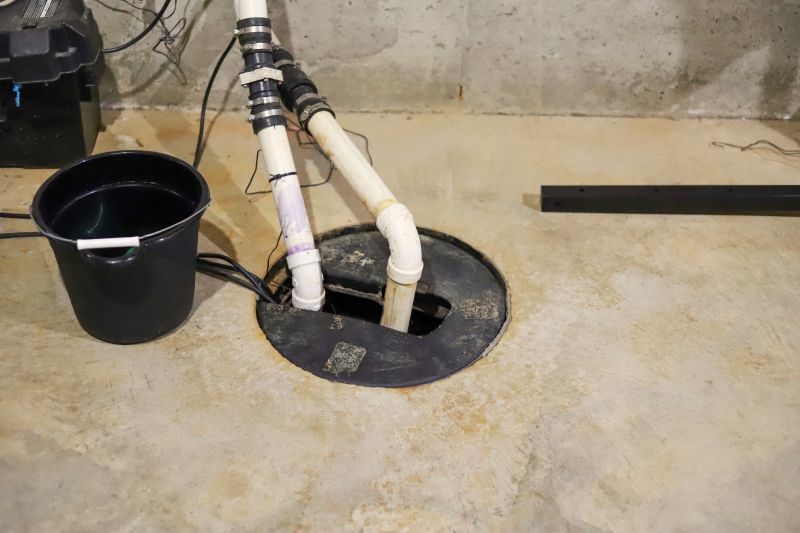
Drainage pump installation services involve setting up specialized pumps designed to remove excess water from properties. These systems are typically installed in areas prone to flooding, such as basements, crawl spaces, or yards, where standing water can cause damage or create hazardous conditions. The process includes assessing the property's drainage needs, selecting the appropriate pump type, and ensuring proper placement and connection to existing plumbing or drainage systems. Proper installation helps ensure that water is effectively directed away from the property, reducing the risk of water intrusion and related issues.
This service is essential for addressing common problems like basement flooding, water accumulation around foundations, or persistent dampness in low-lying areas. Inadequate drainage can lead to structural damage, mold growth, and other costly repairs. Installing a drainage pump provides a reliable solution to manage excess water, especially during heavy rains or rapid snowmelt. By removing water promptly, property owners can prevent long-term damage and maintain a safer, more stable environment within their homes or commercial spaces.
Properties that often benefit from drainage pump installation include residential homes with basements or crawl spaces, commercial buildings in flood-prone regions, and properties with poorly draining yards or landscaping. Homes located in low-lying areas or near bodies of water are particularly vulnerable to water accumulation and may require a drainage system to protect their foundations. Commercial properties, such as warehouses or retail spaces, also rely on effective drainage solutions to keep their premises dry and operational. Service providers can evaluate the specific needs of each property to recommend and install the most suitable drainage pump system.
When considering drainage pump installation, property owners should recognize signs that indicate a need for this service. These include frequent basement flooding, persistent dampness or musty odors, water pooling after storms, or visible water damage around the foundation. Local contractors can assess these conditions and recommend a tailored drainage solution to help mitigate ongoing water issues. Proper installation by experienced service providers ensures that the drainage system functions efficiently and provides long-term protection against water-related problems, helping maintain the integrity and safety of the property.
The overview below groups typical Drainage Pump Installation projects into broad ranges so you can see how smaller, mid-sized, and larger jobs often compare in your area.
In many markets, a large share of routine jobs stays in the lower and middle ranges, while only a smaller percentage of projects moves into the highest bands when the work is more complex or site conditions are harder than average.
Smaller Repairs - Typical costs for routine drainage pump repairs often range from $250 to $600. Many common issues are resolved within this range, though prices can vary based on the specific problem and parts needed.
Standard Installations - Installing a new drainage pump usually costs between $1,000 and $3,000. Most projects fall within this range, depending on the pump size and complexity of the installation process.
Full System Replacement - Replacing an entire drainage system can range from $3,500 to over $7,000. Larger, more complex projects with custom requirements tend to push costs into the higher end of this spectrum.
Complex or Custom Projects - Very large or specialized drainage pump systems can exceed $10,000, though these cases are less common. Such projects typically involve extensive work and customized solutions by local contractors.
Actual totals will depend on details like access to the work area, the scope of the project, and the materials selected, so use these as general starting points rather than exact figures.
Sump Pump Installation - this project involves installing pumps to prevent basement flooding, requiring similar planning and electrical considerations as drainage pump setups.
Stormwater Management System Setup - designing and installing systems to control runoff water shares skills in pipe layout, pump operation, and site assessment with drainage pump projects.
Septic System Pumping and Maintenance - involves managing pump equipment and ensuring proper flow, paralleling the technical expertise needed for drainage pump installations.
Water Drainage Channel Construction - building channels for directing surface water involves planning, excavation, and pipe placement akin to drainage pump system installation.
Flood Barrier and Pump System Installation - installing barriers and pumps to mitigate flooding shares technical requirements with drainage pump services.
Irrigation Pump System Setup - configuring pumps for agricultural or landscape irrigation involves similar skills in pump operation, plumbing, and system planning as drainage pump installation.
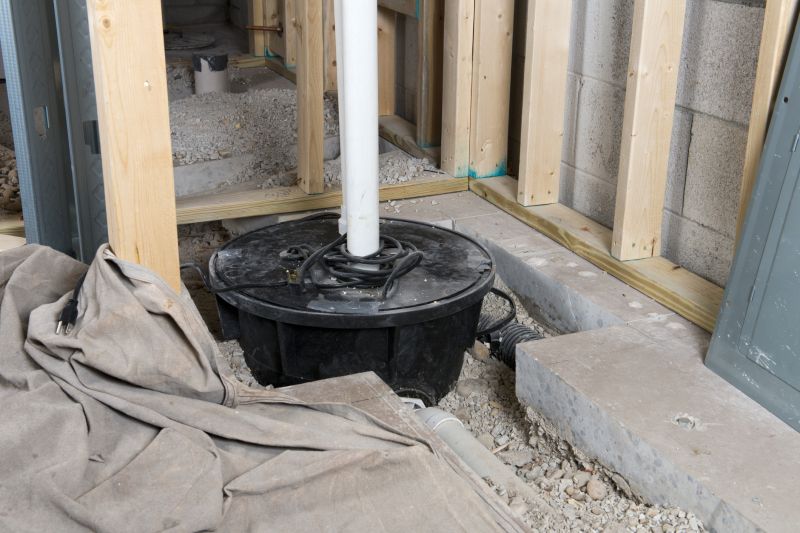
When comparing service providers for drainage pump installation, it’s important to consider their experience with similar projects. Homeowners should look for local contractors who have a track record of handling drainage systems comparable to their own needs. This can help ensure the contractor understands the specific challenges and requirements of the job, leading to a smoother installation process. Asking for examples of past work or references related to drainage pump projects can provide insight into their familiarity and competence with this type of work.
Clear written expectations are essential when evaluating potential service providers. Homeowners should seek out contractors who can provide detailed descriptions of the scope of work, materials to be used, and the installation process. Having these details in writing helps prevent misunderstandings and ensures everyone is aligned on the project’s goals. It’s also helpful to clarify what the contractor’s responsibilities are and what the homeowner should expect in terms of project milestones, so there are no surprises along the way.
Reputable references and good communication are key factors when selecting a drainage pump installation provider. Local contractors with positive references from previous clients can offer reassurance of their reliability and quality of work. Additionally, effective communication-such as prompt responses to questions and clear explanations of procedures-can make the project experience more transparent and less stressful. While this site introduces homeowners to local options, it’s important to remember that the actual work is performed by qualified service providers who can be contacted directly to discuss these important aspects.
Property owners use Drainage Pump Installation services for practical projects around their homes and businesses. This guide focuses on everyday jobs and straightforward project options.
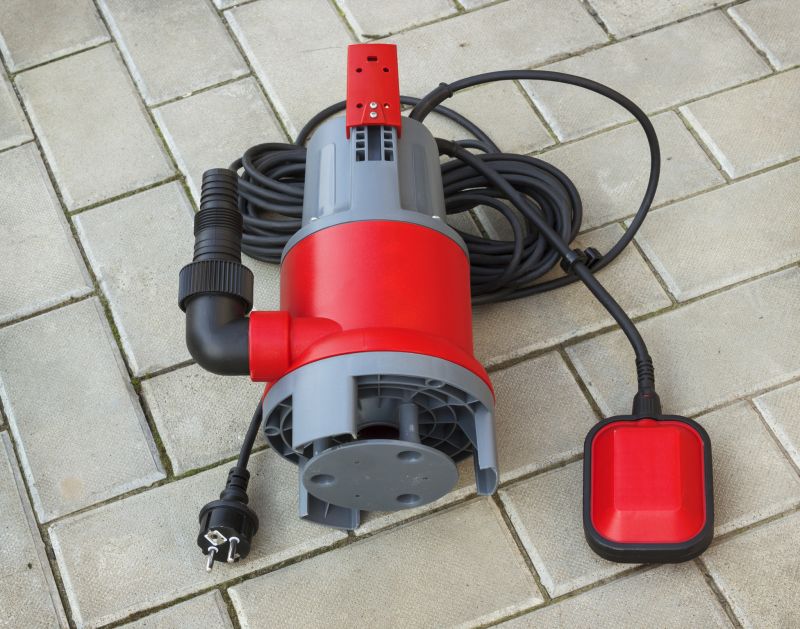
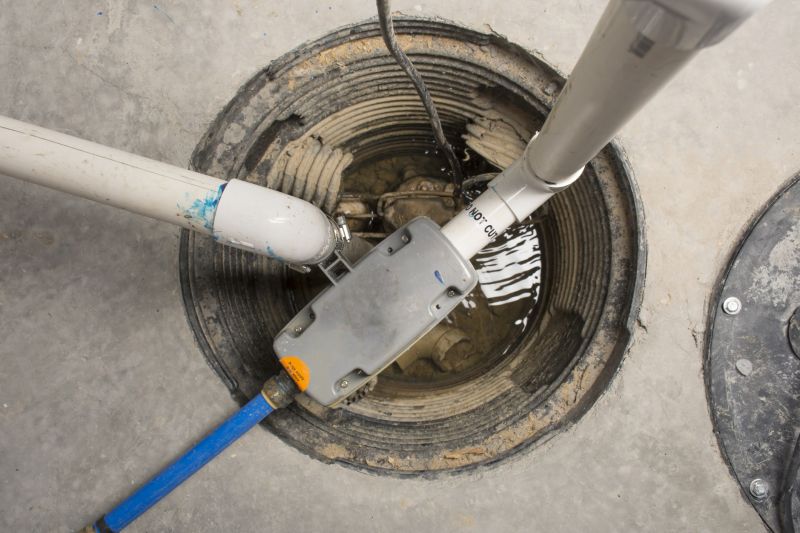
Drainage pump installation services are often needed when property owners experience persistent flooding or water accumulation around their homes or commercial buildings. Heavy rains, poor land grading, or blocked drainage pathways can cause water to collect in basements, yards, or driveways, leading to potential damage and inconvenience. Local contractors specializing in drainage solutions can assess these situations and provide the necessary equipment to effectively remove excess water, helping to protect property and maintain a dry, safe environment.
In addition, property owners may seek drainage pump installation when planning renovations or new construction projects that require efficient water management systems. Whether installing sump pumps or other drainage equipment, local service providers can assist with integrating these systems into existing structures or new builds. This work is often essential for preventing future water issues and ensuring proper drainage, especially in areas prone to high water tables or heavy rainfall.
What is involved in installing a drainage pump? Drainage pump installation typically includes assessing the site, selecting the appropriate pump type, and properly connecting it to the drainage system to ensure effective water removal.
How do I know if a drainage pump is necessary? A drainage pump may be needed if there is persistent water accumulation, poor drainage in the area, or if gravity drainage is insufficient to prevent flooding or water damage.
Can local contractors install drainage pumps in existing systems? Yes, many service providers can integrate drainage pumps into existing drainage setups or install new systems tailored to specific site requirements.
What types of drainage pumps are available for installation? Common options include sump pumps, effluent pumps, and sewage pumps, each suited for different drainage needs and site conditions.
What should be considered before installing a drainage pump? Factors such as the water volume, flow rate, pump placement, and the type of drainage system should be considered to ensure proper installation and functionality.
Basement Flood Prevention - Installing a drainage pump can help protect a basement from flooding during heavy rain or plumbing backups.
Garden Drainage Solutions - Proper drainage pump installation can improve yard drainage, reducing water pooling and soil erosion.
Sump Pump Replacement - Upgrading or replacing an existing sump pump ensures reliable removal of accumulated water from crawl spaces or basements.
Stormwater Management - Local contractors can set up drainage pumps to manage excess stormwater and prevent property water damage.
If you are thinking about Drainage Pump Installation for a property, this guide is meant to help you understand the work, the typical project types, and how different options might fit your plans.
When you are ready, you can use the quote form on this page to share a few details about your project. From there, local pros can review the basics and respond with options that match what you have in mind.